
What Makes a Premium Burger Different From a Conventional Burger?
A premium burger is distinguished by the quality and composition of its meat, fat percentage, patty size, cooking technique, bread, cheese, and toppings. Price or size alone does not determine quality; the ingredients must work together to preserve the flavor and texture of the beef.
The Palm, an American restaurant and steakhouse in Mexico City, provides a useful example through its selection of 400 g beef burgers served on toasted brioche. Its menu also includes plant-based alternatives, allowing diners to compare how the same principles of balance, texture, and construction apply to different types of burgers.
What Type of Meat Is Used in a Premium Burger?
A premium burger starts with a clearly defined meat selection. Chuck is frequently used because it provides flavor, structure, and enough fat to keep the patty juicy. Brisket and short rib can also be incorporated into custom blends to create a stronger beef flavor.
The cut is only one part of the result. The grind must be consistent, the meat should not be excessively compressed, and the patty must be thick enough to develop a browned exterior without losing too much moisture.
At The Palm, meat selection is central to the restaurant’s concept. The steakhouse serves aged USDA Prime steaks and offers two distinct 400 g beef burgers:
- Classic Prime Burger
- Wagyu Burger
Although USDA Prime and Wagyu describe different beef characteristics, neither term alone guarantees a better burger. The final experience also depends on the fat ratio, grind, handling, cooking, and combination of ingredients.

What Is the Best Fat Percentage for a Premium Burger?
An 80% lean meat and 20% fat ratio is commonly used as a benchmark for hamburgers because it provides enough fat for flavor, browning, and moisture without making the patty excessively greasy.
A leaner blend can become dry, particularly in a thick burger that requires more cooking time. Too much fat, however, may cause the patty to shrink substantially and can saturate the bun.
This balance becomes particularly important in large-format burgers. Both the Classic Prime Burger and Wagyu Burger at The Palm weigh 400 g according to the restaurant’s menu. With patties of this size, the relationship between meat composition, thickness, cooking time, and resting becomes more noticeable than it is in a conventional thin burger.
The percentage of fat should therefore be evaluated as part of the complete preparation. A premium result requires enough fat to retain moisture while allowing the flavor of the selected beef to remain identifiable.
How Does Cooking Affect a Premium Burger?
High heat creates the browned crust responsible for much of a burger’s roasted flavor. The cooking surface must be hot enough to brown the exterior before the interior loses excessive moisture.
The patty should not be pressed repeatedly after cooking begins. Doing so releases fat and juices onto the grill or griddle instead of preserving them within the meat.
Patty thickness also changes the experience. A thin burger develops more crust in proportion to its interior, while a thick patty creates a stronger contrast between the browned surface and center. This is relevant when evaluating The Palm’s 400 g burgers, which require precise heat control to cook evenly while maintaining their structure.
Food safety remains essential regardless of beef quality. The USDA recommends cooking ground beef to an internal temperature of 160°F (71.1°C), measured with a food thermometer. Interior color alone is not a reliable indicator of safety.

Why Are Brioche and Cheese Important in a Premium Burger?
A premium bun must be soft enough to bite comfortably but firm enough to contain the patty, cheese, sauces, and juices. If it is too delicate, it can collapse; if it is too dense, it can overpower the meat.
The Palm serves its Classic Prime Burger and Wagyu Burger on toasted brioche. Toasting adds texture and creates a surface that delays moisture absorption, while brioche contributes a lightly sweet, buttery flavor.
Cheese also changes the balance of the burger. The Palm allows diners to choose among three varieties for its Classic Prime Burger:
- Cheddar provides acidity and a pronounced dairy flavor.
- Gouda adds creaminess and mild sweetness.
- Danish blue cheese introduces saltiness and a stronger aroma.
The Wagyu Burger follows a more specific composition: cheddar cheese, toasted brioche, and fries. Comparing the two preparations shows how cheese selection can change the perception of the same type of dish without relying on excessive toppings.
What Toppings Make a Burger Premium?
Premium toppings should have a clear purpose. Acidity balances fat, fresh vegetables contribute moisture and texture, onions add sweetness or sharpness, and sauces provide seasoning. Adding more ingredients does not necessarily improve the burger.
The main test is whether the meat remains identifiable in every bite. When cheese, sauce, or toppings completely conceal its flavor, the composition loses balance.
The Palm’s burger menu uses relatively concise combinations. The Classic Prime Burger focuses on beef, cheese, toasted brioche, and fries, while the Wagyu Burger pairs its patty specifically with cheddar. The restaurant also applies the same principle to its meat-free options:
- Bunless Vegan Burger: 300 g, barbecue sauce, fried onions, and fries.
- Artichoke Veggie Burger: 250 g, caramelized onions, smoked peppers, and Parmesan cheese.
These alternatives demonstrate that premium construction is not exclusive to beef. Texture, seasoning, moisture, and proportion remain essential in any burger.

Frequently Asked Questions About Premium Burgers
How can you identify a high-quality burger at a restaurant?
Check whether the menu identifies the type of meat, patty weight, bread, cheese, and principal toppings. The burger should have a browned exterior, a cohesive interior, evenly melted cheese, and a bun that remains intact. The Palm provides this information directly by listing the weight and main ingredients of its burger options.
Is a Wagyu burger always better than a conventional beef burger?
Not necessarily. Wagyu is known for its marbling, but the quality of a burger also depends on the actual beef blend, fat content, grind, cooking, and construction. At The Palm, diners can compare a 400 g Wagyu Burger with the restaurant’s 400 g Classic Prime Burger.
Where can you eat a premium burger in Polanco?
The Palm serves premium burgers at Campos Elíseos 218, inside Presidente InterContinental Mexico City in Polanco. Its menu includes Classic Prime, Wagyu, vegan, and artichoke-based burgers, as well as USDA Prime steaks, seafood, and Italian-American dishes.
The Palm: Premium Burgers at a Steakhouse in Mexico City
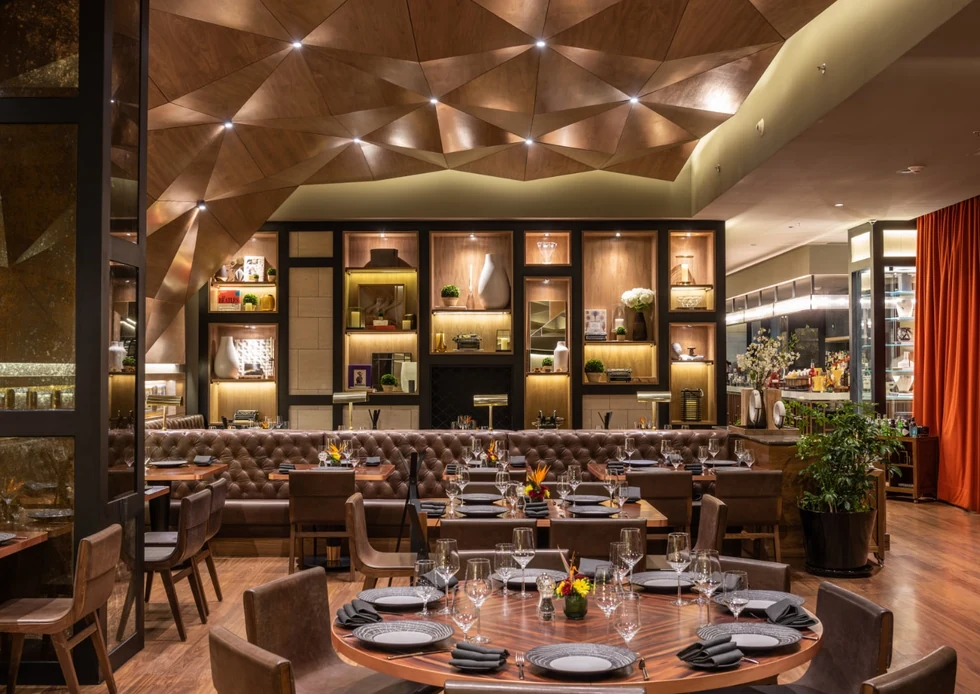
The Palm is an American restaurant with New York-style and Italian culinary influences. The brand has more than 85 years of history, while its Mexico location has operated for over 20 years as a Steak & Lobster House.
Its current menu includes four burgers with portions ranging from 250 to 400 g. Both beef options are served with fries and toasted brioche. The restaurant is led by Executive Chef José Luis Sánchez Ronquillo, whose professional experience includes training in Mexican cuisine, sous-vide cooking, and pastry arts, as well as work in Michelin-starred restaurants in San Sebastián.
For reservations:
- Address: Campos Elíseos 218, inside Presidente InterContinental Mexico City, Polanco.
Hours: Monday to Saturday, 1:00 p.m. to 11:30 p.m.; Sunday, 1:00 p.m. to 10:00 p.m
- Atracciones
- Bodas
- Bodas y Eventos Sociales
- Casa de Descanso
- Cocina con nuestros Chefs
- Concierge
- Eventos
- Glamping
- Hoteles de Ciudad
- Hoteles de Playa
- Inversionistas
- Promociones
- Quiz
- Restaurantes Presidente
- Reuniones Empresariales
- Sabores Presidente
- Turismo Médico
- Vacaciones
- Viajes de Negocios
- Wellness